ROBERT MCLAIN, M.D. - NECK AND BACK SURGERY

BAck Pain? Neck Pain? Ask Dr. McLain  

  • Spine Surgery Cleveland Home
  • About My Practice
    • About Dr. McLain
    • My Research Background
  • Surgical Care Available
    • My Colleagues
    • Surgery at our Surgery Center
    • Disc Replacement Surgery
    • SI Joint Pain
    • Laser Spine Surgery
  • Insurance
  • Contact Us
  • Library
    • Robert McLain, MD, AAOS
    • North American Spine Society
    • American Academy of Orthopaedic Surgery Patient Information
    • MidAmerica Orthopaedic Association
    • American Orthopaedic Association
    • Disclaimer
  • Back Pain? Neck Pain? Ask Dr. McLain

1/27/2024

Lumbar Disc Herniation: A Problem that Causes Back and Leg Pain

0 Comments

Read Now
 

Next in my series of ten common problems - ​Lumbar Disc Herniation and the leg pain, or radiculopathy, that often causes the most frightening concerns.

​Lumbar Disc Herniation is a common cause of back and leg pain, presenting in different ways and with different degrees of intensity.  Potential for recovery is actually quite good, but varies from patient to patient depending on size of the protrusion, size of the spinal canal, the patient's age, their activity level and functional demands, and the extent of the disc disruption associated with the herniation.  That's alot of variables, and means that your neighbors disc herniation was probably different than yours, and their experience - the symptoms, treatment, and recovery - may be very different as well.  
Picture
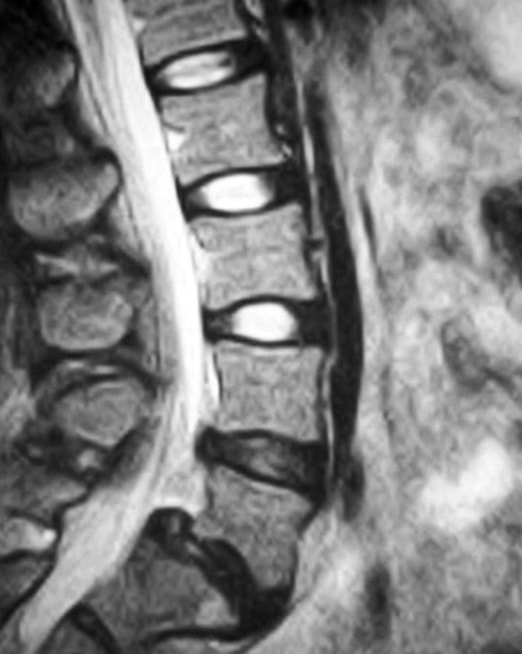
​It's important to understand a little of the language used to describe disc herniations.  Radiologists often use vague and descriptive terms to describe the herniation, ranging from "displaced" to "protruding", "bulging", "ruptured", all the way to "massive extrusion".  When your primary doctor reads that report, it's not surprising that they occasionally over-react and translate to you that "your disc has exploded!" and that "you need surgery or you'll be paralyzed!"  That's a pretty terrifying message, and it's almost never correct.  That's why getting an opinion from a specialist is often the best decision for a patient with a severely symptomatic disc herniation.  The important point:  different types of disc herniation may represent both a different stage of disc deterioration and a different indication for treatment.
Picture
​First of all, What is a Disc Herniation?

Disc herniation is a term applied to a wide variety of disc disorders, and the terminology can be confusing.  Discs can be described as herniated, slipped, ruptured, bulging, protruding, disrupted, and more.  The size of the disc can be described as massive, significant, focal, and others, and the terminology doesn't really get us closer to a treatment plan. 

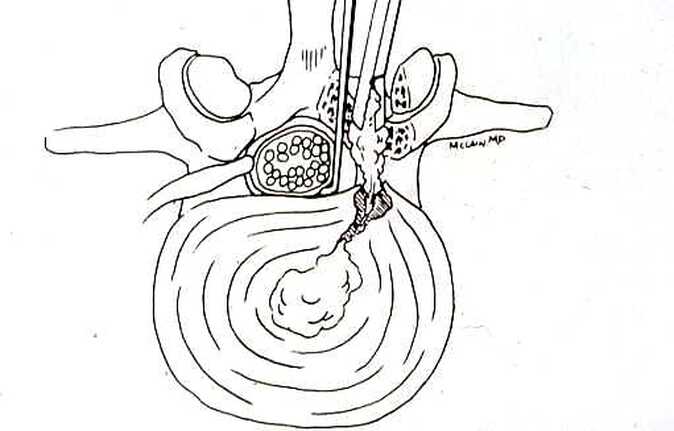
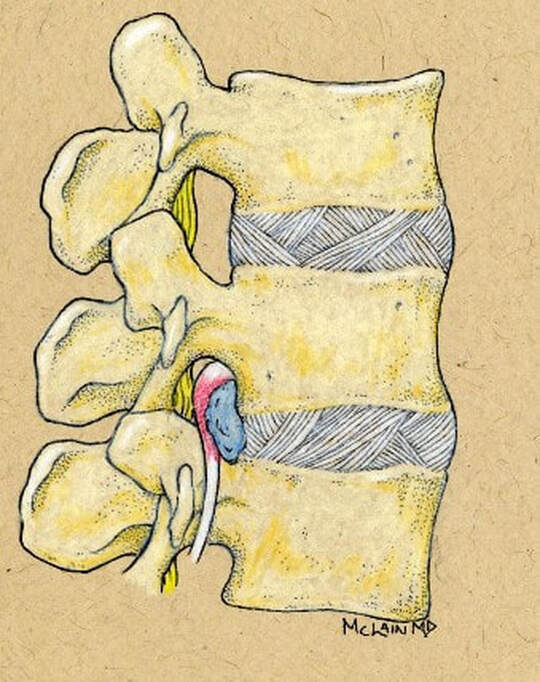
What is more important is where the herniation is relative to the nerve roots, how big it is relative to the spinal canal, and whether is a bulging disc, an extruded disc, or a sequestered fragment - a chunk of disc that has detached from its disk space and gotten lodged - like a stone in your shoe - in a spot where it is compressing a nerve.
Picture
​The lumbar disc is made up of two parts.  In the healthy disc, the vertebral endplates above and below, and the disc annulus hold the nucleus pulposus in place which preserves the internal pressure in the disc. When there is a disc injury or degeneration, disruption of the annular fibers can occur causing fissuring and degeneration, or cause a sudden traumatic rupture.  Whether this disruption happens slowly (chronic) or suddenly (acute) an annular defect is created that lets the nucleus out. 
Picture
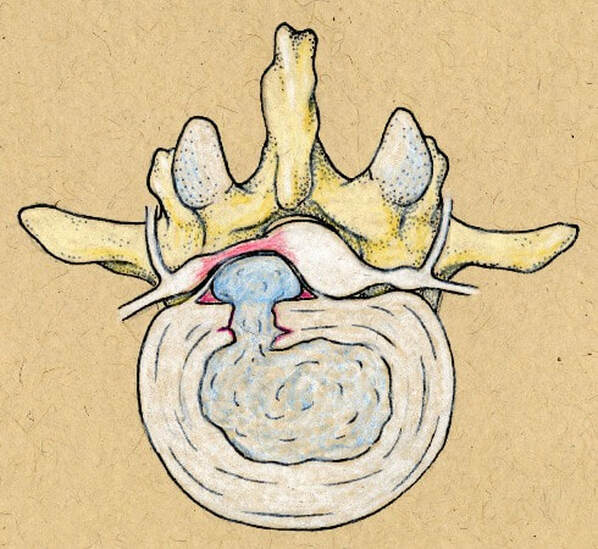
The disc is made up of an annulus - the thick outer portion made up of layer after layer of tough collagen fibers, overlapping like the layers or belts of car tire, and the nucleus - the softer, inner matereial that works as a shock absorber and cushing when the disc is under a load. When young the nucleus is quite gel-like, but as we age it gets tougher, but can still be squeezed out of the disc under great pressure.
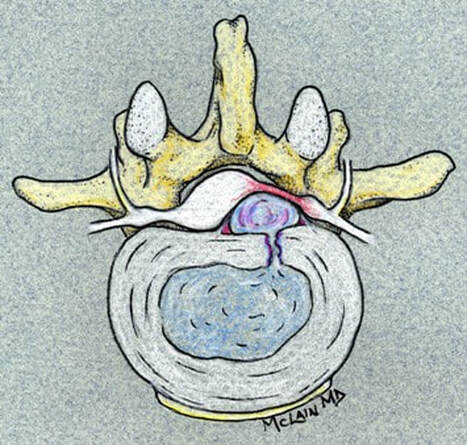
A disc herniation occurs when the soft inner portion of the spinal disc - the nucleus - gets pressed out of position and starts to bulge through the tough fibrous layers of the outer disc - the annulus.  In some cases this happens over years and we see a narrowed disc on x-ray and a broad bulging disc on MRI.  In other cases the soft material squeezes out through a tear in those annular fibers and protrudes directly into the spinal canal, like tooth paste squeezed out of the tube.  In this case, the disc material can touch the nerve root directly and irritate it as well as put pressure on it.

When the annulus begins to fissure and slowly deteriorate, disc bulging or protrusion results. Although no disc material has escaped into the canal, the disc causes the remaining annulus to bulge or protrude beyond its normal limits, putting pressure on the adjacent nerve root.  Since no disc material has escaped from the disc space, this is referred to as a contained herniation.

​Once fissuring or tears have extended through the full thickness of the annulus, there is nothing to keep the nucleus in place, and the pressurized disc material follows the “path of least resistance”.  Fragments of nucleus, annulus, and/or endplate can escape the annulus.  Such herniations are termed non-contained, as displaced nucleus has pushed through and exited from the annulus. The central position of the tougher spinal ligaments tends to direct fragments laterally where there is less resistance but direct contact with the spinal nerve.  
Picture
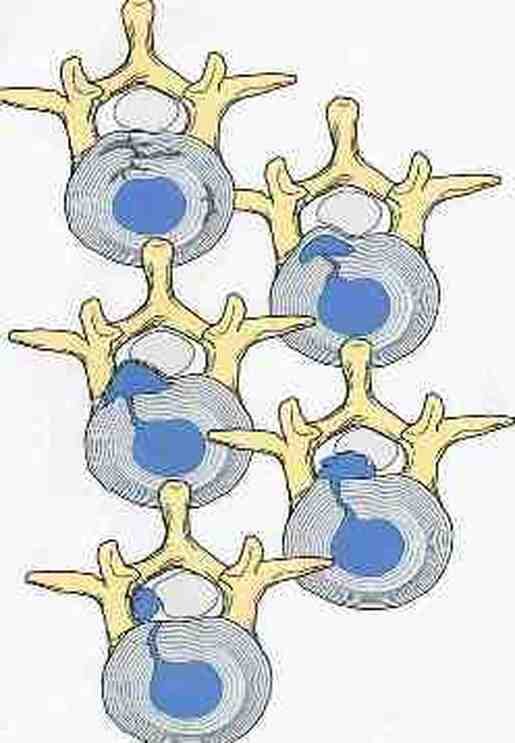
Different stages of disc herniation: From the top 1. Fissured disc with bulging annulus, 2. Contained disc herniation, 3. Subligamentous extruded disc, 4. Transligamentous, or full extrusion, and 5. Sequestered disc fragment.
​Disc fragments may remain trapped under the that ligament (subligamentous) or less commonly may come through the ligament (transligamentous) into the canal. As long as the displaced disc material remains connected with the remaining nuclear material within the disc, this protruding material is referred to as extruded. When that fragment “pinches off” and becomes totally detached from its point of origin it is considered sequestered. 

At that point, disc material can migrate up, down, or sided to side, making an MRI image crucial to successful surgery.
 
There are many potential causes of a disc herniation:

Lumbar disc herniation, medically referred to as a herniated nucleus pulposus (often abbreviated as HNP) can result from a number of different causes.  In young, healthy folks, a specific lifting or twisting injury can cause a sudden (acute) HNP, while in older patients with a longer history of wear and tear, a herniation can occur with very little trauma, and can even happen while you are sitting at your desk! Common causes include:

​
  • Overuse: Repetitive lifting or twisting movements that strain muscles can also lead to disc injuries. Activities such as repetitively lifting heavy objects, or repetitive twisting while lifting can cause disc deterioration and predispose to herniation, especially when done with improper body mechanics.
Picture
​
  • Poor Lifting Mechanics: Incorrect posture or body mechanics while lifting, bending, or twisting activities can place excessive stress on the lower back muscles and ligaments, but can directly overload the fibers of the disc.
  • Sudden Twisting or Turning, Slips and Falls:  Abrupt and forceful twisting or turning motions, especially when lifting or carrying objects, can overload the disc and cause an acute herniation.
  • Heavy Lifting: Lifting heavy or awkward objects, or attempting to lift objects that are too heavy for the individual can result in lumbar strain and disc herniation.
  • Sports Injuries:  Sports that involve repetitive or forceful twisting movements, such as weightlifting, golf, or tennis, and those that involve heavy lifting may sometimes result in a large HNP.
  • Accidents or Trauma: Traumatic events, such as falls or car accidents, can cause severe lumbar strain and also cause the lumbar disc to rupture and herniate.
  • Prolonged Sitting:  The lumbar discs are under more pressure when you are sitting than when standing or even bending over.  Activities that require you to maintain a seated position for long periods can strain the lower back muscles, predispose to disc degeneration, and contribute to disc herniation even when there is no specific injury.
  • Age-Related Changes: The spine undergoes natural degenerative changes with age and activity, and disc wear and tear, which can cause lower back pain, makes you more prone to disc protrusion and herniation.
Picture
Genetics can play a role in your risk of disc herniation.  Some families seem to be prone to herniation, and others - where the spinal canal is smaller than average - are prone to having severe symptoms when they do get a herniation.  Overall fitness and health can reduce susceptibility to lumbar disc herniation and improve your chances of recovering without surgery, but this is a condition that can occasionally disable professional athletes.  

​Understanding and practicing good body mechanics, maintaining a healthy lifestyle and body weight, and incorporating exercises to strengthen the core muscles can help reduce the risk of lumbar herniation and give you the best chance for recovery without surgery.

So, What causes the pain??

The pain experienced after a lumbar strain is primarily attributed to the inflammation and damage to the soft tissues, including muscles, ligaments, and tendons, in the lower back.  Back pain after a disc herniation can involve all of these, but the damaged or ruptured disc can also be a source of severe, deep-seated back pain. 

​On top of that, and specific to disc herniation, irritation or pressure on the spinal nerve that is in contact with that disc can cause numbness and tingling, actual physical weakness, or severe - sometimes intolerable - burning pain in the leg, calf, foot, or toes.  That is the symptom that most often brings patients to their local ER or doctor.

Several factors contribute to the development of pain in lumbar disc herniation:
​
  • Disc Injury: Lumbar strains typically involve acute damage to the muscles that support and control the lower back. When the disc ruptures, these tissues are also aggravated, but additional pain fibers in the disc are also triggered, and can cause serious pain.  Microscopic tears in fibers of the outer disc can cause inflammation and trigger pain signals with even small movements or even just sitting, leading to spasm and stiffness.
  • Inflammation:   Disc injuries trigger an inflammatory response in the deep tissues of the spine, and while they cause pain, there are no outward signs of swelling or redness.  In the case of lumbar herniation, inflammation directly affects the spinal nerves, and makes them more sensitive to pressure and motion than normal.
Picture
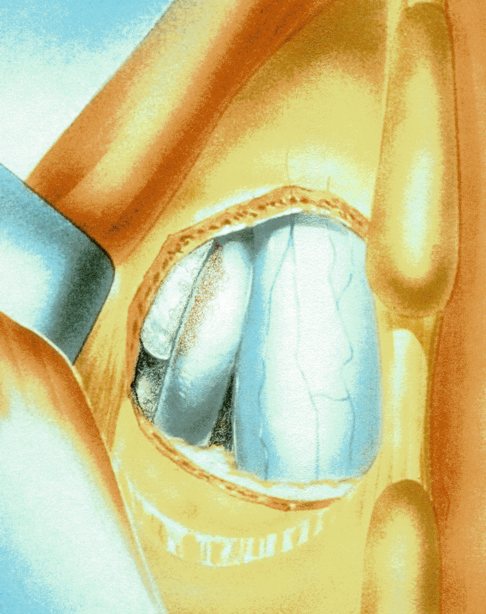
Viewed through the surgical window, or laminotomy, the disc fragment can be seen pushing up from the left side of the disc space, shifting and compressing the long, round nerve root against the thecal sack - the thin tube containing all of the other nerves.
  • Nerve Irritation: In lumbar herniation inflammation or direct pressure can irritate or injure the large nerves in the spine.  The spinal cord stops at the top of the lumbar spine, so spinal cord compression and paralysis are rare.  However, pressure or injury to the nerves in the lumbar spine can cause pain, weakness, or paralysis of specific muscles in one or the other leg.  Nerve root compression can cause burning pain, radiating down the leg, or numbness tingling tingling that may extend into the legs or feet.
  • Spasm of Muscles: Just as in lumbar strain, the body's response to injury often includes muscle spasms. These involuntary contractions can lead to increased pain and contribute to stiffness in the lower back.
  • Reduced Range of Motion: Pain and inflammation limit the normal range of motion in the lower back.  Reduced flexibility contributes to discomfort and difficulty with movement.  With disc herniation, however, certain motions are particularly sensitive.  Straightening the affected leg out or flexing the hip can put an extra stretch on the irritated nerve and cause severe leg pain.
  • Psychosocial Factors: Emotional and psychological factors, such as stress or anxiety, can influence the perception and tolerance of pain.  Leg pain symptoms and weakness are not affected by these factors, however, and treatment of the problem typically relieves anxiety and fear greatly.

It's important to note that the severity and location/distribution of pain differs greatly depending on the level of the spine where the herniation has occurred.  Proper treatment and management of the back pain - including rest, physical therapy, and anti-inflammatory medications - can speed the recovery process and alleviate back pain and muscular discomfort.  If back pain persists or worsens despite therapy, there may be a more extensive injury or damage to other tissues, and further evaluation and intervention may be needed to return the spine to good function.

The leg pain component can be treated non-operatively as well: this will typically start to get better in a week to three after onset, and should be much improved at six weeks.  If symptoms are intense, if there is weakness associated with the pain, or the symptoms are not better in 6 weeks, something more may need to be done.

Diagnosis:

​
Picture
​
  1. Medical History and Physical Examination:
  • Symptoms Assessment: Inquiring about the onset, duration, and intensity of pain, as well as any other associated symptoms like numbness or tingling, weakness or limp, and any issues with bowel or bladder function.
  • Circumstances of Injury: Understanding how the injury occurred provides insight into potential causes and helps in formulating a treatment plan.
  • Past medical history:  It's important to recognize previous injuries and previous treatment.  If you've had previous imaging studies, comparison of the old to any new studies can provide important clues as to the nature of your disc herniation and what to expect in recovery. 
  1. Imaging Tests:
  • X-rays: While not always necessary, X-rays can reveal the extent of disc degeneration, boney instability, or alignment issues that may result from disc disease or herniation.
  • MRI (Magnetic Resonance Imaging): This imaging technique is most detailed and specifically identifies and quantifies disc herniations, as well as nerve root compression caused by the disc.  Most important, MRI confirms the diagnosis of level and disc size based on the physical exam.
  • CT (Computed Tomography) Scan: Useful for assessing bony structures and detecting fractures with greater precision.

Treatment:
Non-operative care:
Most disc herniations causing severe leg pain ( radiculopathy) are successfully treated non-operatively.  At least 90% of patients will get better with appropriate conservative care.  Return to full activity, work, and recreation is usually possible, but takes time and requires appropriate medication and a course of active physical rehabilitation and exercise.  Common non-operative approaches include:
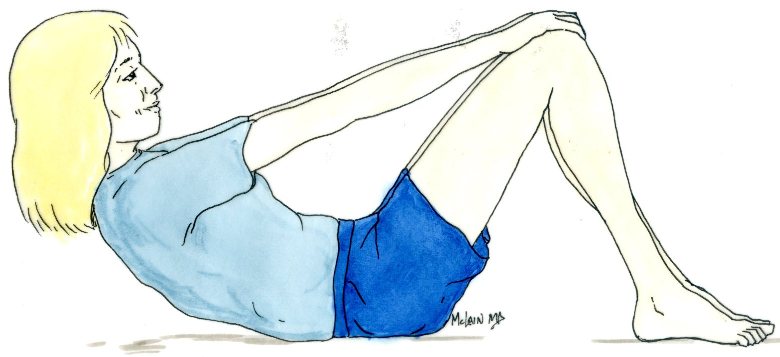
  • Pain Management:  The pain of radiculopathy can be intense.  It also responds poorly to pain-killers - you still have pain, you just get sleepier.  Still, a short 2-3 day prescription for analgesic pain medications is sometimes warranted.  Over-the-counter pain relievers and non-steroidal anti-inflammatory drugs (NSAIDs), such as ibuprofen, reduce inflammation and help reduce pressure on the nerve as well as dulling the pain. Topical treatments like ice or heat packs may also be helpful.
  • Rest and Activity Modifications: Giving the injured tissues time to heal, avoiding activities that aggravate the injury and worsen the pain, and limiting vigorous exercise is appropriate while the leg pain symptoms are intense.  Bed rest for a day or two may be needed, but after that, you need to be up and around.  Avoid heavy lifting, repetitive bending or twisting, or prolonged sitting.
  • Supportive Measures:  As with lumbar strain, proper information on activities, concerning symptoms, restrictions to lifting activities, and instruction on body mechanics can reduce anxiety, improve function, and limit the risk of recurrent injuries.
  • Physical Therapy: A structured, progressive, physical therapy program can be designed to restore mobility and flexibility, and promote proper posture. Therapeutic exercises are tailored to the individual's symptoms and underlying condition.  Aggressive exercise can aggravate back and leg symptoms if started too soon, so start with a very gentle stretching program and work with your health care provider as you get better.  Incorporating exercises that target the core abdominal and lumbar muscles remains an important goal, as a strong core provides stability to the spine.
Picture
  • Pain Management: If leg pain persists beyond the first 3-4 weeks, a series of epidural steroid injections can be considered.  Carried out under fluoroscopy, these injections place a numbing medicine and a steroid medicine in the immediate area of the compressed nerve.  Response to epidural steroid injections is highly variable, with most patients getting relief for at least a day, half getting relief for two-three weeks, and about 20 per cent getting substantial long-term relief.  That's long enough for nature to start the healing process, allowing the majority of patients to avoid surgery following epidural steroid injections. It's important to know: While epidural injections play an important role in controlling or relieving radicular leg pain symptoms, they do not provide reliable relief from the back pain and muscle spasm. Hence, patients with a disc herniation diagnosed on MRI, who are having only back pain, should not expect much benefit from an epidural injection, and might decline it if offered.
  • Chiropractic:  gentle stretching and manipulation are helpful for some patients, and traction therapy has helped others.  As the condition improves, a gradual return to normal activities is usually recommended under the guidance of healthcare professionals.  Activity and job modifications are often needed to allow return to normal without reinjuring the back muscles.

Surgical care:
Surgery is generally considered only when conservative treatments fail, and the patient demonstrates evidence of a continued nerve compression and pain.  Continued severe pain, neurological symptoms (such as persistent numbness or weakness), or evidence of a structural instability on x-ray imaging all suggest problems that may require surgical treatment.

Surgical options include procedures that decompress the nerve roots, such as laminectomy or microdiscectomy (removal of part of a herniated disc), but more extensive procedures, such as spinal fusion, may be necessary if the structure of the spine has started to shift or collapse.
​
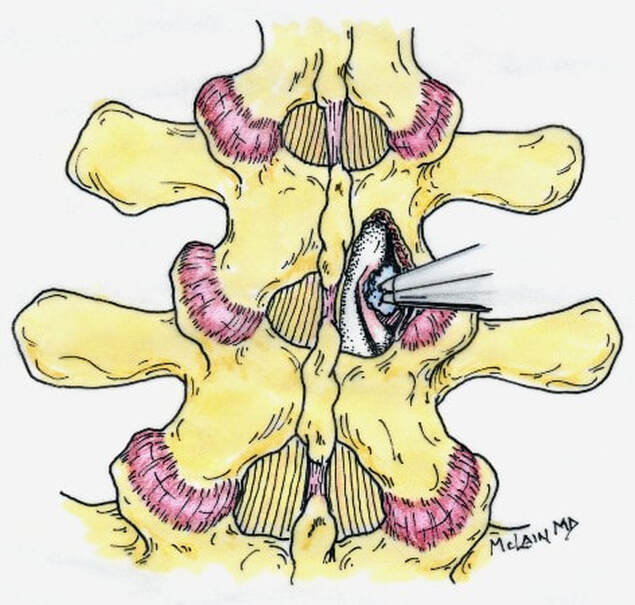
  • Microdiscectomy:  Decompression of the compressed nerve root is straight-forward, conceptually.  Like removing a stone from your shoe, if you remove the disc material from the canal pain relief is reliable and often immediate.  It's how you go about doing that which has improved over the years.  Most spine surgeons treating disc herniations - orthopaedic or neurosurgical - will perform a microdiscectomy.  Whether they use a tube or a small retractor, the point is to limit the size of the incision, remove just enough bone from the lamina over the disc fragment to reveal the nerve and the disc fragment.
Picture
  • The surgeon will then gently remove that fragment using an operating microscope to see everything in excellent detail and light.  
Picture
​
  • Microdiscectomy is most commonly performed as an outpatient procedure, with roughly 90-95% good to excellent results in experienced hands.
Picture
​
  • Laminectomy: If multiple nerves are compressed or the disc protrusion is causing severe narrowing of the canal (stenosis), and particularly, if there are any signs of compression of the nerve controlling bladder function (cauda equina syndrome) the whole roof of the spinal canal may need to be removed.  This is carried out through a larger incision, and may require a longer surgical time, but can still often be performed as an outpatient operation.
  • Lumbar Fusion:  As with other lumbar disorders, if spinal alignment has been affected or there is clear evidence of instability (the spinal alignment changes during flexion and extension x-rays or there is severe loss of the normal disc space height) fusion may be needed at the time of discectomy.  For a single lumbar disc herniation it is very rare to need more than one level of fusion.
  • Spinal Stimulators and Pain Pumps:   These surgically implanted pain control devices have an important role in controlling chronic pain and pain that is caused by disease or scarring that can't be improved by surgery.  However, they do not provide any anatomical relief of the nerve root compression or and spinal instability.  They can only mask the symptoms.  For this reason there is almost no indication for an implant like this in a patient with an acute or even a long-standing disc herniation where MRI imaging shows there to be a persistent and large disc protrusion.


Healthcare Professionals:

There are several kinds of healthcare professionals who can provide appropriate care and guidance after an acute lumbar disc herniation.  The choice of provider may depend on the severity of your symptoms and the specialists available in your area, but should also take into account your own personal feelings about which kind of care you want to start with. Here are some of the professionals you may consider consulting:
  • Primary Care Physician (PCP):
  1. Whether it's your regular primary care doctor or an ER physician seen on an acute basis, your PCP can assess your symptoms, provide an initial diagnosis and earliest supportive care, obtain the proper imaging studies and recommend appropriate follow-up treatment or specialist care if you need it.
  • Orthopedic Surgeon or Neurosurgeon:
If your symptoms are severe or persistent, or if there is a suspicion of nerve compression, your primary care doctor may refer you to a surgeon. Orthopedic surgeons and Neurosurgeons may both provide non-surgical and surgical treatment options, and can advise you whether your particular injury will improve with time and without surgery, or whether an operative procedure makes more sense.  
Picture
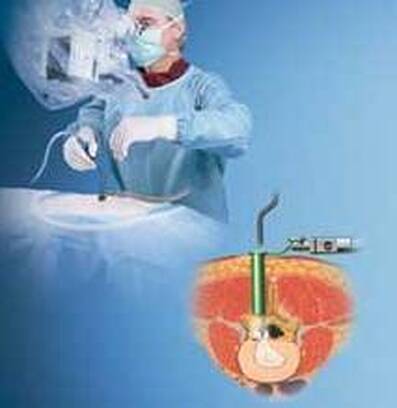
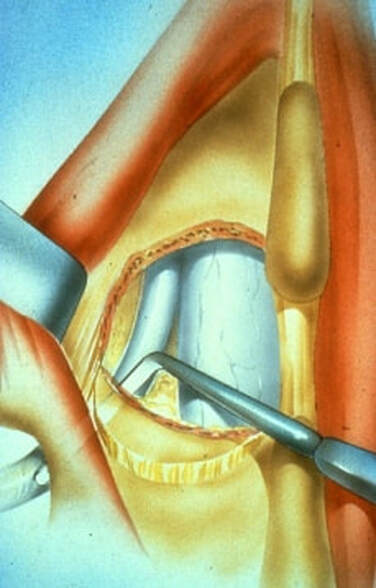
Surgeons can perform the laminotomy and discectomy through quite small incisions when they combine an operating microscope with a small tubular or specialized microsurgical retractor.
Picture
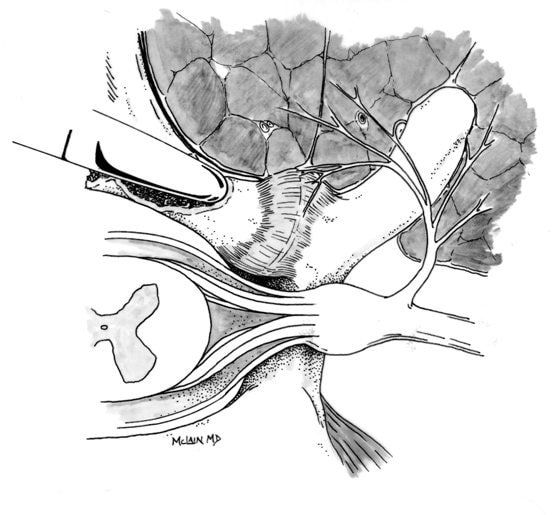
After the discectomy, the protruding fragment of disc is gone, the nerve is no longer compressed, and a microsurgical probe can be passed along the nerve root to ensure that its pathway is clear.
​Orthopedic surgeons and Neurosurgeons specializing in spine surgery can provide the same range of operations and procedures, with the same reliably excellent results.
  • Physiatrist:
Physiatrists are medical doctors who focus on physical medicine and rehabilitation. They can assess and treat many musculoskeletal conditions, provide rehabilitation plans, and may offer interventional procedures for pain relief.  They are also trained to recognize conditions that are more serious and may require interventional care or surgery. 
  • Physical Therapist:
Physical therapists are trained in rehabilitative exercises and therapies. They can design a personalized exercise program to improve strength, flexibility, and reduce pain. Physical therapy is often a key component of lumbar strain treatment.
  • Chiropractor:
Chiropractors specialize in diagnosis and treatment of injuries to the musculoskeletal system, particularly the spine.  A chiropractor with appropriate credentials and experience will obtain the right x-rays and MRI imaging before starting treatment, and avoid aggressive manipulation in the earliest phases of treatment.  Most use manual adjustments to relieve pain and improve spinal function, but many also provide treatments such muscle stimulation, physical therapy, and ultrasound to calm muscle pain.
  • Pain Management Specialist:
A pain management specialist may be consulted if the pain is persistent. They can offer a variety of interventions, including medications, injections, or other minimally invasive procedures to manage pain.  Nerve root blocks or epidural steroid injections are commonly offered in care of ongoing back problems, and can be very helpful in cases of acute disc herniation that hasn't responded to initial care.

 
Conclusion:
The radicular leg pain associated with a disc herniation will usually start to improve on its own in the weeks after injury, and should be well tolerated by the end of six weeks.  It can take quite a while for the back pain of a lumbar strain or sprain to completely heal, and the back pain aspect can be intense and limiting for weeks or even months after a severe strain.  Because the back pain can be re-aggravated, patients may need to hold off of return to activity for a while after the leg pain calms down.  With time and a good rehab program there is a great chance of getting back to normal activity without surgery.  However, for those whose leg pain persists or flares every time they try to get back to work, surgical treatment may be necessary.  

Picture
The good news is that, for the majority of disc herniation patients, the surgery can be performed with a minimally invasive approach, requires a brief anesthesia time, and no hospitalization, and, if the disc fragment can be successfully removed from the canal, relief of leg pain and much of the back pain can be immediate!  In any case, - with or without surgery - disc herniation is one low back problem that has a good prognosis for recovery and return to normal life.

Share

0 Comments


Leave a Reply.

Details

    Author

    I'm Dr. Rob McLain. I've been taking care of back and neck pain patients for more than 30 years.  I'm a spine surgeon.  But one of my most important jobs is...
    answering questions!

    Archives

    January 2024
    May 2023
    February 2023
    January 2023
    December 2022
    November 2022
    October 2022
    September 2022
    August 2022
    July 2022

    Categories

    All

    RSS Feed

Home
About
Contact
Robert F. McLain, M.D. 
Spine Surgery Cleveland
For appointment or questions, Please call: 800 670-0302
Disclaimer
  • Spine Surgery Cleveland Home
  • About My Practice
    • About Dr. McLain
    • My Research Background
  • Surgical Care Available
    • My Colleagues
    • Surgery at our Surgery Center
    • Disc Replacement Surgery
    • SI Joint Pain
    • Laser Spine Surgery
  • Insurance
  • Contact Us
  • Library
    • Robert McLain, MD, AAOS
    • North American Spine Society
    • American Academy of Orthopaedic Surgery Patient Information
    • MidAmerica Orthopaedic Association
    • American Orthopaedic Association
    • Disclaimer
  • Back Pain? Neck Pain? Ask Dr. McLain